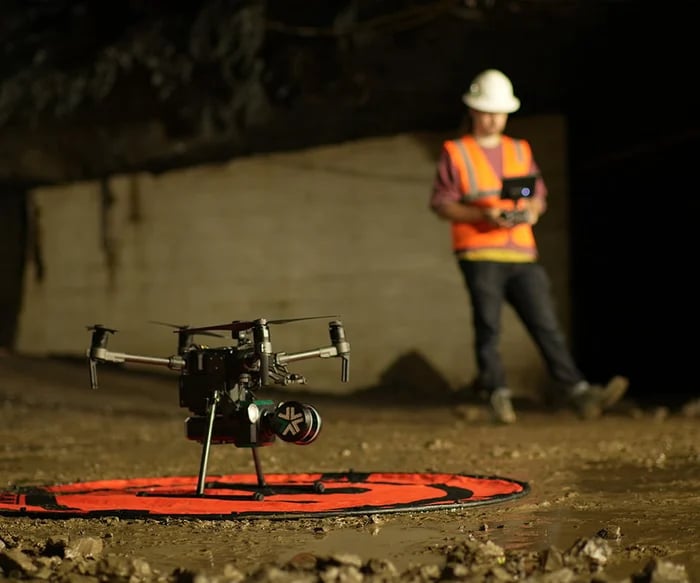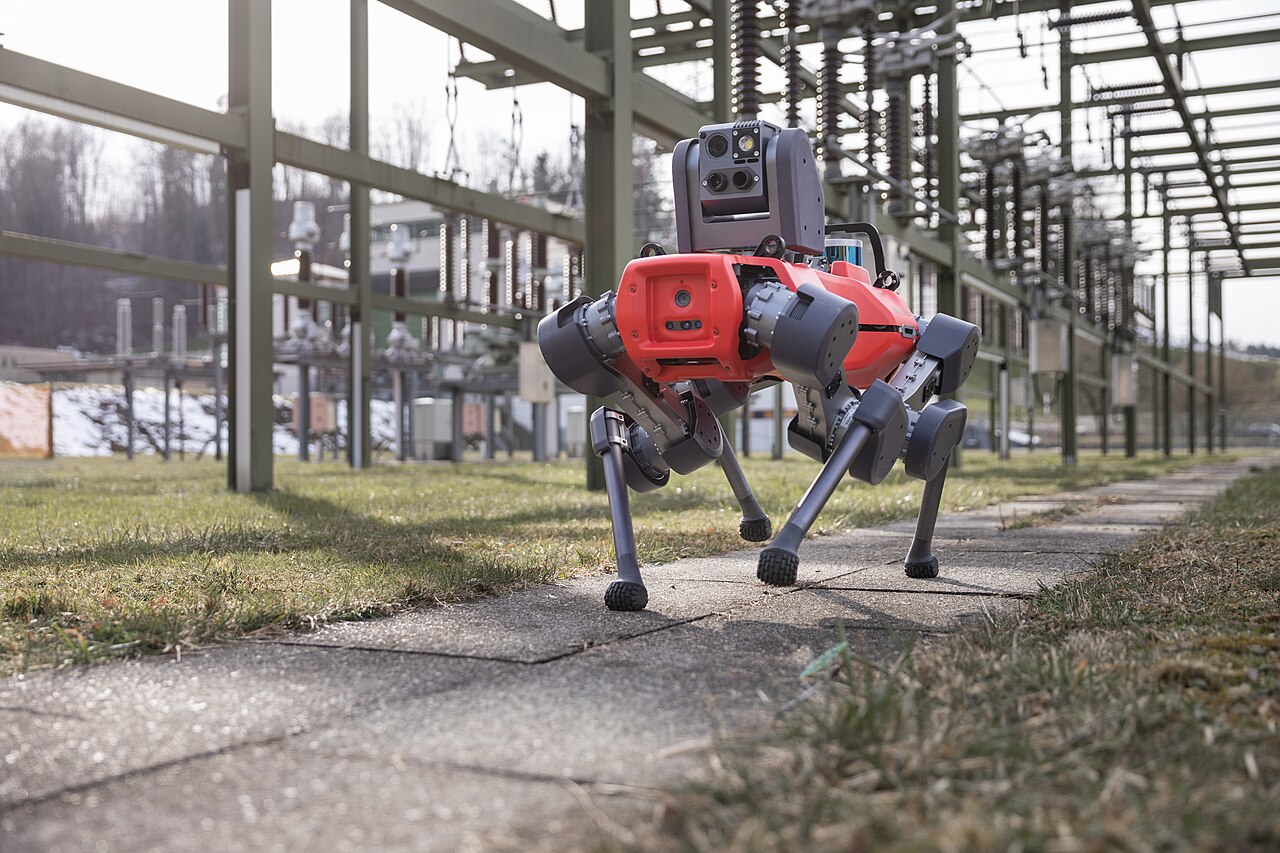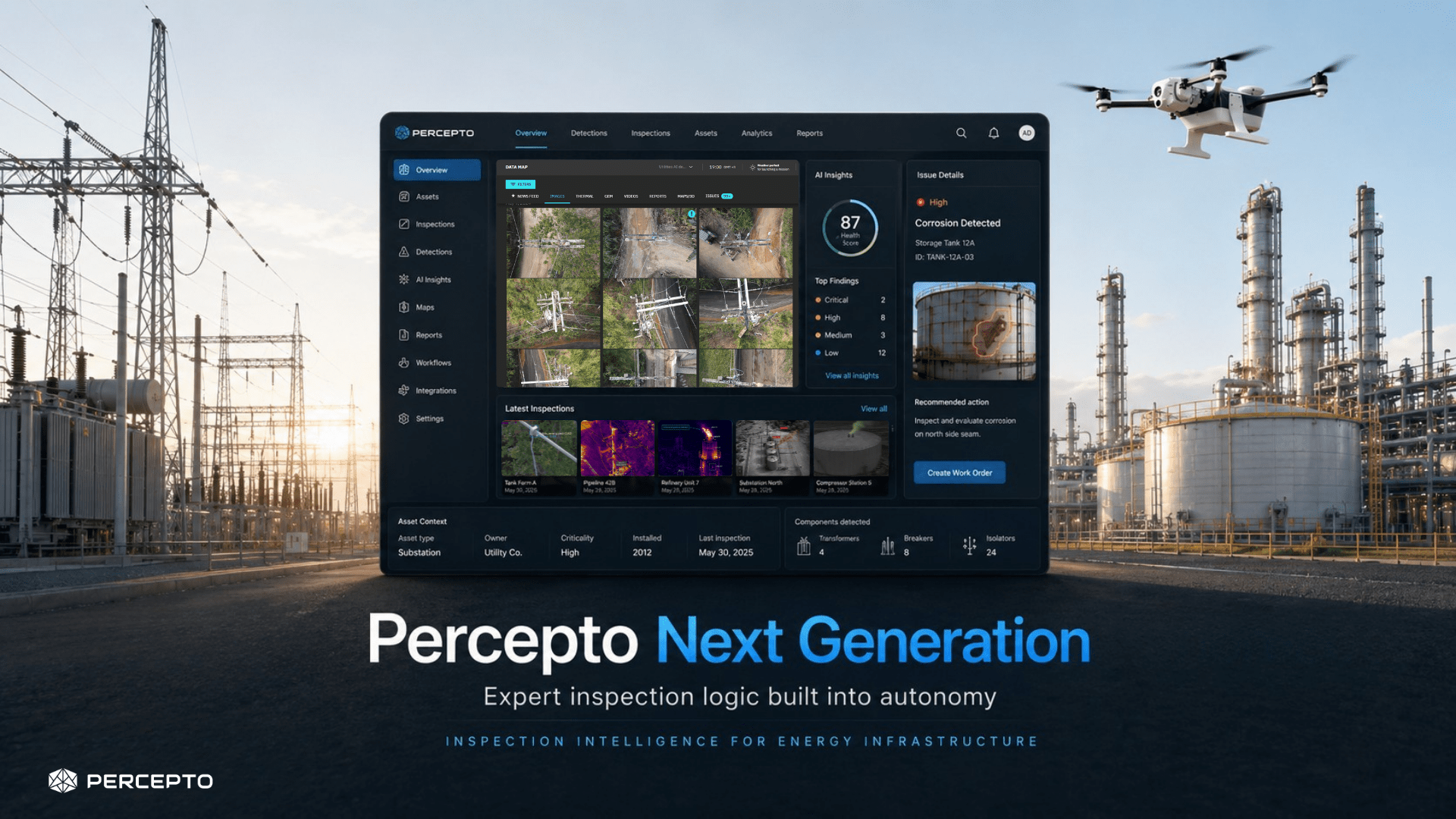
Percepto markets autonomous inspection and monitoring to ports and terminals, placing docked aircraft and its AIM software inside a recurring operational service. Its June 2026 platform launch adds a broader emphasis on connecting captured evidence to the right asset and inspection context. The port application is revealing because the environment is neither an empty survey field nor a fixed factory aisle. Vessels, cranes, vehicles and people are all carrying out time-sensitive work in the same space. Percepto ports and terminals offering; Percepto inspection-intelligence launch, June 22, 2026.
A recurring inspection has to coexist with recurring work
AIM supplies the software side of the offering, organizing inspection and monitoring around remotely collected information. For a terminal, that could make the difference between an occasional aerial survey and a continuing record of asset condition. But regular flight schedules alone do not create regular visibility. A vessel can obscure a view, cargo can change the background, and active handling can make a planned observation inappropriate at that moment. The system needs a way to distinguish an inspection that found no problem from one that did not obtain a usable view. Those outcomes imply different next steps. Percepto AIM inspection software.
The port's coordination problem also differs from the aircraft's obstacle-avoidance problem. A drone can avoid a crane physically while still distracting an operator or entering an area reserved for another activity. A flight can remain within its technical limits and still occur at the wrong time. This is why terminal integration cannot end at a geofence. The inspection service needs access to the operating constraints that matter for the mission, and the terminal needs a clear way to pause or redirect that mission when conditions change. Automation should make this exchange explicit rather than rely on informal calls between individuals.
Not every useful observation is an urgent alert
Ports contain conditions that develop over very different timescales. A new obstruction may require immediate coordination. A gradual surface change may belong in a maintenance review. A stockpile measurement may support planning rather than emergency response. Putting all three into the same alert queue can make a nominally comprehensive system less useful. The workflow should preserve the purpose of the observation so the recipient can understand why it arrived and how quickly a decision is needed. This is a classification problem involving operational context, not just image recognition.
That context matters when comparing a docked service with a contractor's survey. The contractor may deliver a carefully checked model at intervals. The automated service may supply more frequent observations but depend on exceptions being reviewed by the terminal. Frequency and responsibility are different dimensions of the choice. A fair comparison includes who verifies the data, who resolves an incomplete mission and how the information enters the existing maintenance process. Otherwise, an apparent reduction in field effort can reappear as a larger back-office review task.
Scale is a coordination achievement
Percepto's product pages and launch materials establish what the company offers and how it describes the service. They are not independent evidence that every port application has reached the same maturity. The more meaningful indicator of scale is whether additional assets can be inspected without a proportional increase in ad hoc coordination and unresolved exceptions. That requires compatible data, clear responsibilities and a way to accommodate the terminal's changing work. A dock makes automatic departure possible. A functioning relationship with the port makes recurring inspection useful. The distinction is central to judging infrastructure autonomy beyond a successful demonstration flight.
A drone can be technically capable of a route without being operationally ready to fly it repeatedly through a busy port. Routine service introduces competing activities, changing work areas and multiple organizations. Autonomy has to fit that environment rather than assume the airspace is an empty extension of the mission plan. Rotterdam describes operational drone services alongside preparations for further autonomous flight. Port of Rotterdam drone programme.
Separate permission from capability
An operating plan should establish who can request a flight, who can delay it and how a change reaches every relevant participant. Those responsibilities matter even when navigation is automated. A machine's ability to execute a route does not decide whether the inspection is the right activity at that moment.
Inspection requirements should also shape the route. A safe flight that returns unusable imagery has not completed the asset-management task. The mission should identify what evidence is needed and the conditions under which an operator will declare the observation incomplete rather than infer a satisfactory result. FHWA describes drones as supplementary tools with limits on physical examination. FHWA bridge inspection questions and answers.
Make disruption part of the trial
Trials should include cancellation and recovery, including loss of a landing location or an urgent competing operation. The programme should explain where the aircraft can wait or land and how staff learn that normal service has stopped. These details are essential to a routine service, even if they make a less dramatic demonstration.
Scaling should mean repeating a controlled service under a wider range of ordinary conditions. It should not mean multiplying aircraft before the coordination process is stable. The clearest evidence of readiness is a record that includes uneventful missions, justified cancellations and orderly recovery from the interruptions the port actually experiences.
Sources & evidence
This archive preserves its original editorial date. Sources describe the events and announcements discussed; they do not establish today’s status.