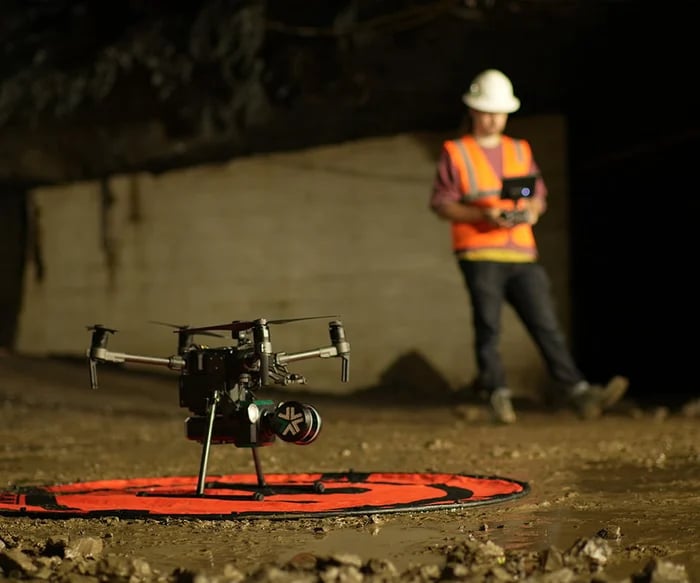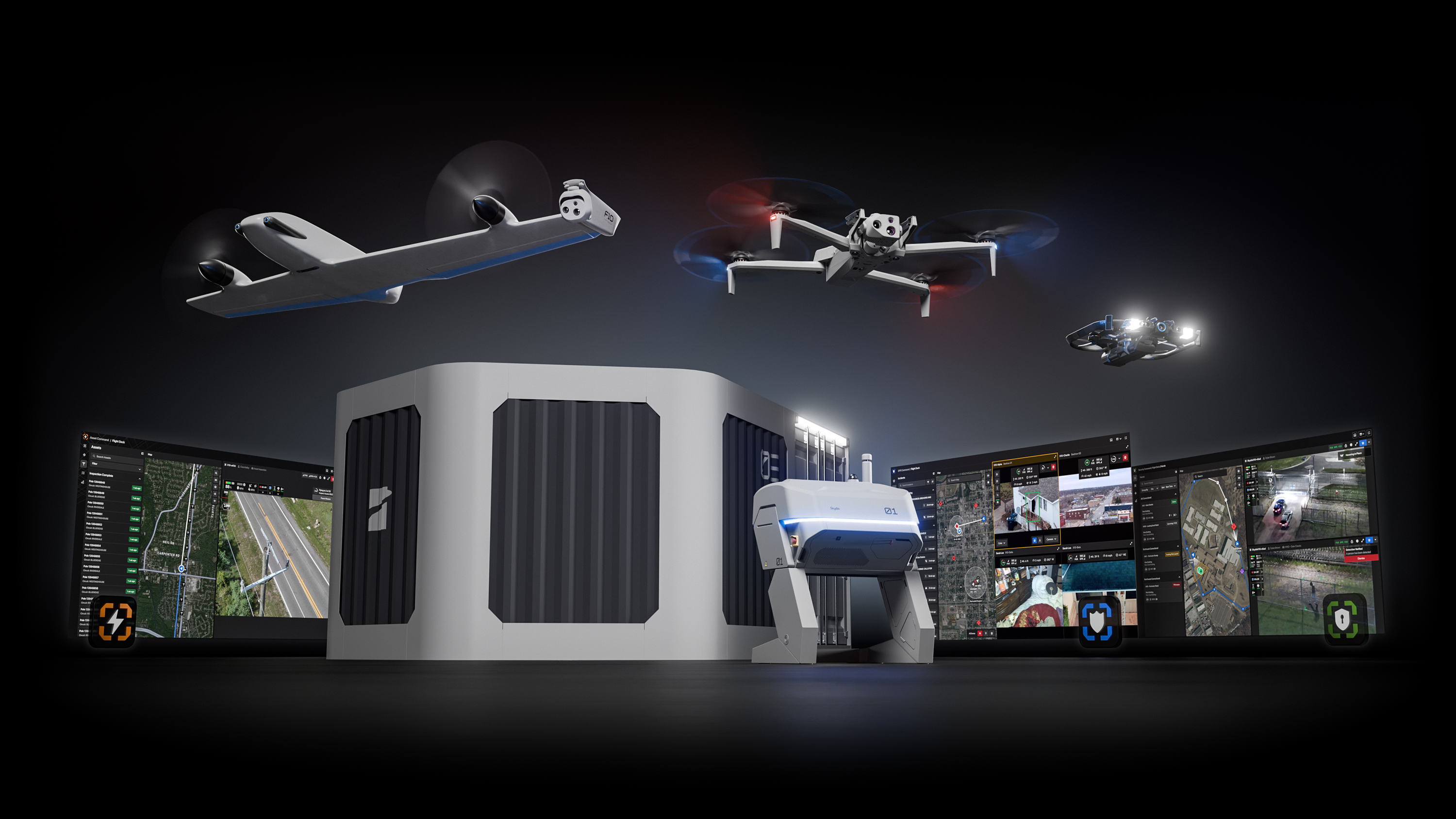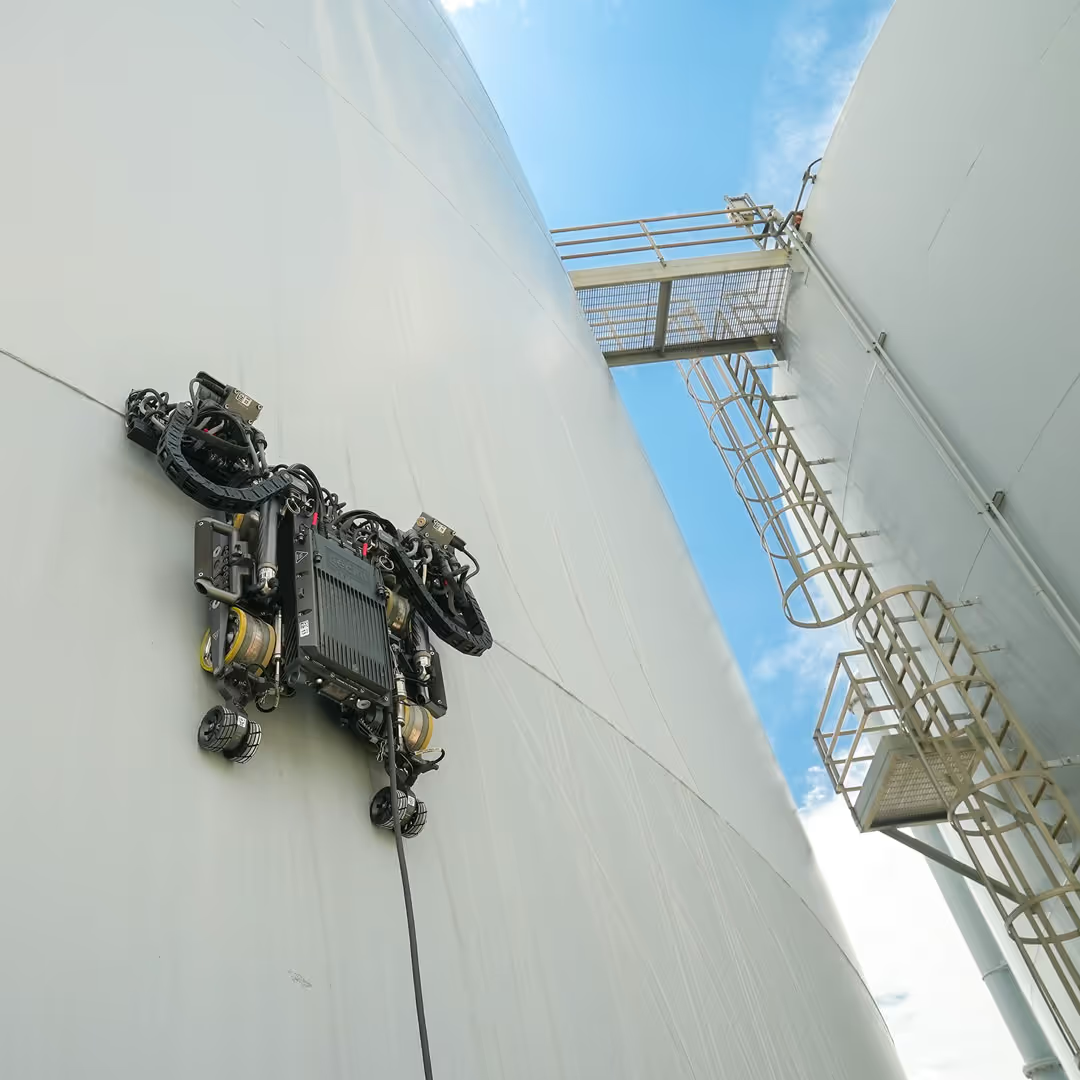
Gecko Robotics announced on September 28, 2026 that it was working with NVIDIA's Open Agent Safety Platform and OpenShell to explore enforceable boundaries around AI-directed robotic action. Gecko described an independent layer between an agent and its Komodo robot's hardware. The announcement is a development and testing claim, not a certification that the system is immune to unsafe behavior. Its importance is architectural: the mechanism proposing an action need not be the only mechanism deciding whether that action can occur. Gecko and NVIDIA controls collaboration, September 28, 2026; NVIDIA Open Agent Safety Platform.
Permission is different from prediction
An AI system can be good at choosing a useful next action while still needing limits on which equipment it may command, which data it may access or how far it may move. A separate enforcement layer can make those limits more explicit. The distinction matters in infrastructure because the consequences of an action depend on the surrounding operation. A movement that is acceptable in an empty inspection area may be inappropriate during maintenance. A software permission therefore needs a reliable relationship to the physical state it is intended to protect.
Gecko's October 8 partnership with Anduril adds a concrete industrial setting to the discussion: the planned use of robotic inspection and data software in maritime component manufacturing. The two announcements should not be conflated into proof that a particular safety architecture is already qualified throughout those facilities. They show a company pursuing both broader deployment and additional control mechanisms. The engineering challenge is making the boundary meaningful when robots, production records and human work all interact. Gecko and Anduril manufacturing partnership, October 8, 2026.
A distributed fleet can share a common mistake
Putting control on individual machines can improve local responsiveness, but it does not automatically make failures independent. Several robots may use the same model, map, permission file or update. If that shared input is wrong, each machine can follow its instructions correctly and still contribute to a common problem. The relevant resilience question is therefore not simply how many controllers exist. It is which assumptions they share and whether another layer can detect that the shared assumption no longer matches the site.
This is especially important when permissions are generated or updated automatically. An enforcement system can faithfully enforce an incorrect boundary. Its value depends on how the boundary is defined, reviewed and changed, as well as how it is implemented. A good operational record should identify which permission set was active during a mission and why it changed. That makes it possible to distinguish a model's bad choice from a policy's bad constraint or an integration error. Without that distinction, incident review can blame 'the AI' while leaving the actual failure mechanism untouched.
The evidence needed is adversarial and operational
A convincing demonstration would show what happens when a model requests an impermissible action, when the environment changes and when a control component becomes unavailable. It would also examine whether operators can understand and recover from a blocked action. A boundary that quietly prevents useful work without explanation can encourage workarounds; a boundary that is easy to bypass may provide little protection. Gecko and NVIDIA's collaboration addresses a real problem as AI moves from analysis toward physical command. The next measure of progress is evidence that the separation remains effective under the awkward conditions of actual industrial operation.
A fleet of autonomous devices can appear resilient because no single machine carries the whole workload. Yet several devices may depend on the same model, connection or support service. If that common dependency fails, physical distribution alone may provide less protection than the architecture suggests. Autonomous-energy-grid research examines local cells operating independently or together. NLR archive: autonomous energy grids.
Find common dependencies
The assessment should distinguish independent hardware from independent capability. Two controllers on different sites may still require one external information source. Two inspection robots may share a configuration error. These examples are hypothetical failure paths, but they show why counting units is an incomplete measure of resilience.
Design reviews should identify which decisions each unit can make with local information and which depend on coordination. Independence is valuable only when the local behavior remains appropriate. A device that keeps operating while using a stale understanding of the wider system can create a different problem from one that stops. NLR describes test beds for studying control architectures before field deployment. NLR autonomous energy system architectures.
Test independence rather than assuming it
Testing should include failures that affect several units at once. The organization can then examine whether workloads can shift, whether human supervisors become overwhelmed and whether local limits remain effective. Such exercises reveal correlated dependencies that separate device-level demonstrations are unlikely to expose.
The practical conclusion is to treat diversity and decentralization as claims to verify. Neither guarantees continuity by itself. A useful resilience report explains the common dependencies that remain, the conditions under which local operation is permitted and the process for restoring coordination after the shared service returns.
Independence must be examined rather than assumed. Two components can be separately named yet rely on the same data source or update path. Documenting those dependencies helps reviewers determine whether the second layer can actually catch the first layer's mistake, or simply repeat it with a different label.
Sources & evidence
This archive preserves its original editorial date. Sources describe the events and announcements discussed; they do not establish today’s status.