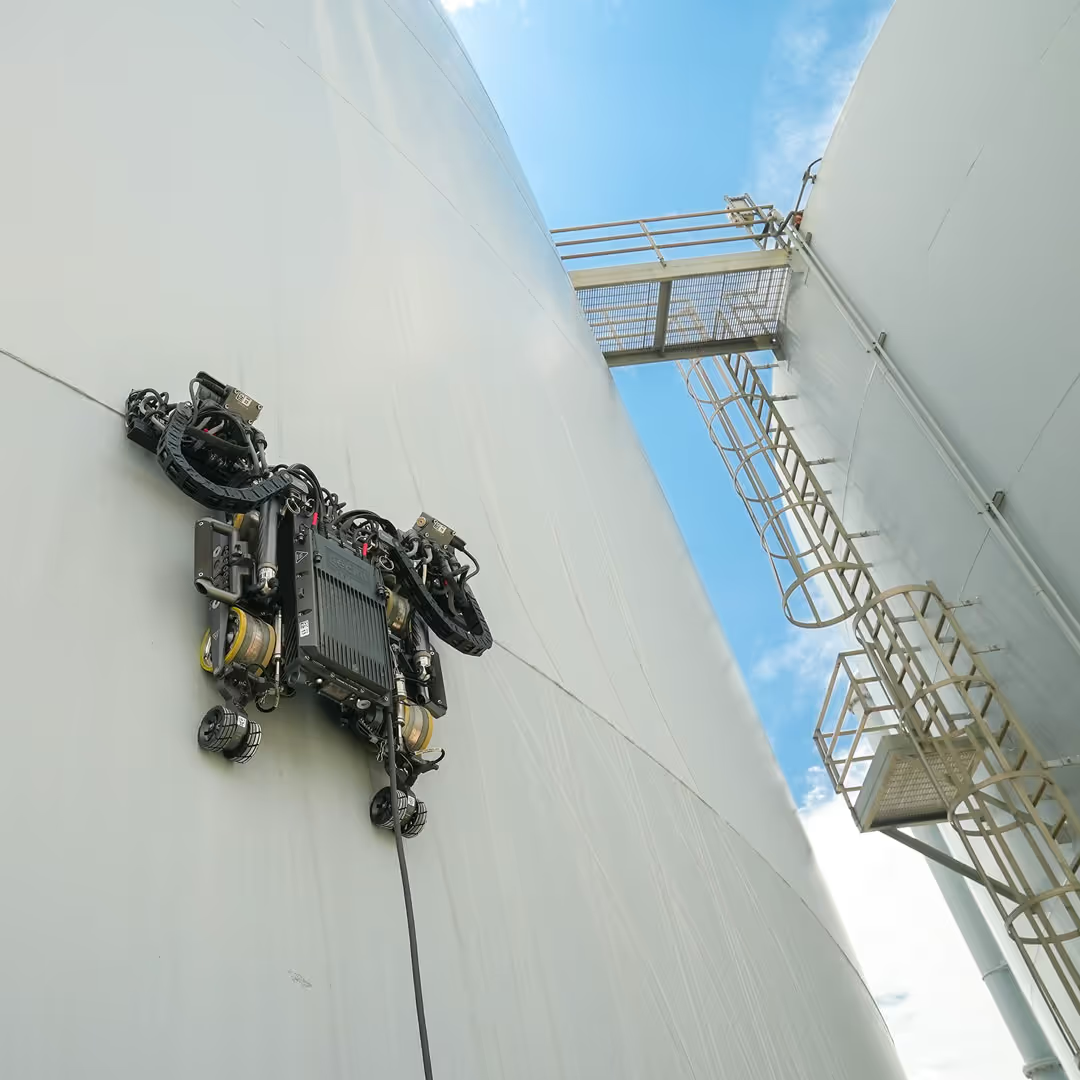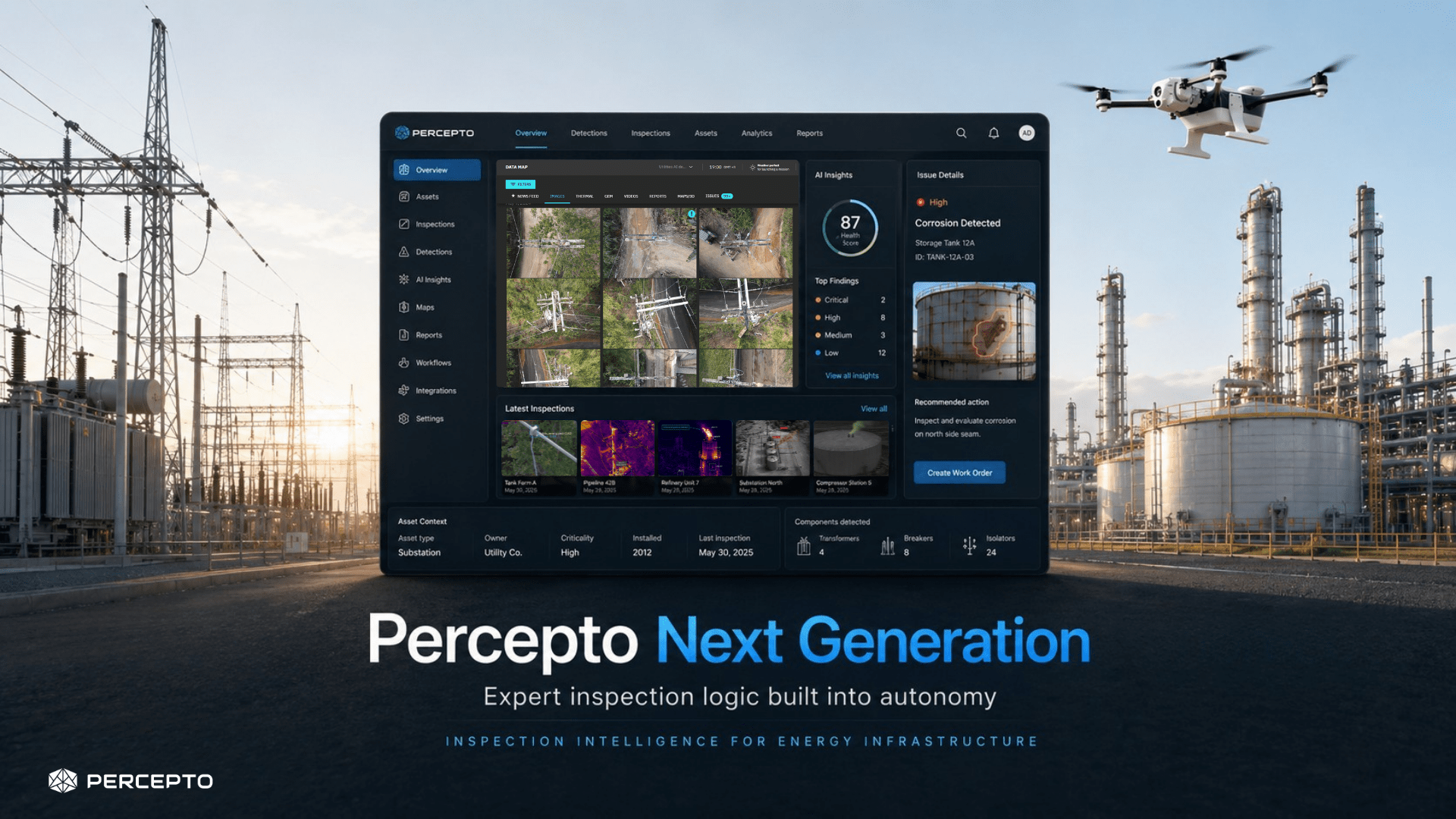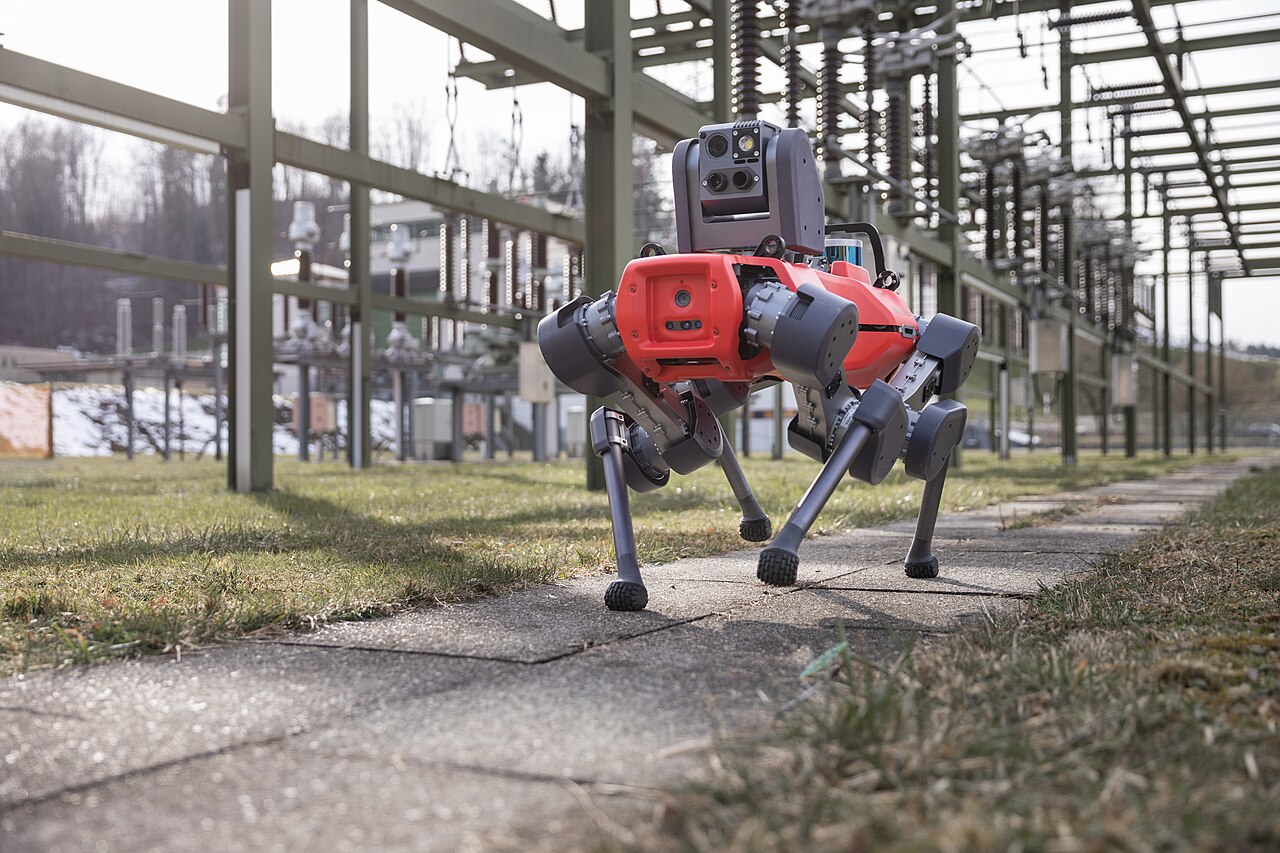
In July 2023, ANYbotics described a project with Framence at Entega's waste-to-energy plant in Darmstadt, Germany. The EU-funded T-IRIS demonstration connected robot inspection with a photorealistic digital twin, allowing users to plan missions and examine results through a representation of the plant. The work made an appealing proposition concrete: an operator could navigate familiar-looking equipment rather than translate a technical map into a mental picture. It also exposed a continuing obligation. The interface is only useful if the represented plant remains the plant the robot actually encounters. ANYbotics and Framence at Entega, July 17, 2023.
The model is an interface, not an independent witness
The project placed information at locations in the photorealistic environment and used an API to connect robot observations and commands. That helps an operator relate a finding to a physical asset. It does not make the underlying model automatically current. A replaced pump, a temporary barrier or a changed access route can leave the visual representation behind the site. The risk is especially subtle when the model remains attractive and navigable. A polished interface can make old information feel more authoritative than a plainly dated photograph.
By October 2026, ANYbotics' Shift materials described a broader platform connecting fleet operation and asset information. Exyn's June software update separately emphasized georeferencing and quality control for reality capture. These developments approach the same problem from different directions: a model must have a reliable relationship to both the latest observations and the operational record. A digital twin becomes more valuable when it can organize that relationship. It becomes misleading when it hides disagreement between layers behind a seamless view. ANYbotics Shift operational FAQ; ExynAI software expansion, June 10, 2026.
Updating the twin is real work
The upkeep task begins with deciding which changes matter. A temporary cart may be irrelevant to a long-term asset model but crucial to today's robot route. A new equipment label may be visually minor but essential to connecting a reading with the correct maintenance history. One universal refresh interval cannot handle both cases well. The system needs separate notions of navigational freshness, asset identity and engineering configuration. Treating all three as simply the latest scan can create unnecessary data processing while still missing the change that matters most.
There is also a question of authority. If a robot detects that reality differs from the model, should it update the model automatically, flag a discrepancy or stop the affected task? The right answer depends on the kind of information involved. Updating a temporary obstacle layer is different from changing the identity of a safety-critical component. An operator should be able to see which layer changed, which observation prompted the change and whether someone reviewed it. This is a governance problem embedded in the technical design of the twin.
Useful twins make disagreement visible
The Entega demonstration is evidence that a visually intuitive interface can be connected to robot inspection. It is not proof that every future plant model will maintain itself. A mature deployment should be judged by how it handles discrepancies, not only by how smoothly it displays a normal mission. When the physical site and the stored representation disagree, the interface should help people resolve the difference rather than conceal it. That is the central implication for infrastructure autonomy: as more decisions depend on a shared model, maintaining and qualifying that model becomes part of operating the infrastructure itself.
A digital model can help an autonomous system plan work, but the physical site keeps changing. Equipment is moved, temporary structures appear and operating procedures evolve. The practical question is not how detailed the model looks; it is how the organization knows which parts still represent the world accurately. NLR describes test beds for studying control architectures before field deployment. NLR autonomous energy system architectures.
Track what changed
Every model should have an update responsibility. Someone needs to decide which physical changes require immediate revision, which can wait and how discrepancies discovered by robots are reviewed. Automatically accepting every sensor observation would simply move uncertainty from the field into the model without resolving it.
Autonomous inspection can provide a useful stream of comparisons between expected and observed conditions. Yet that stream needs a process for adjudicating disagreement. A missing component might reflect a real change, an obscured view or an incorrect location estimate. The model should not silently choose among those explanations. NASA's ISAAC research combined robotic inspection with spacecraft subsystem telemetry. NASA ISAAC autonomous caretaking research.
Define what the model may decide
Authority should be tied to confidence in the relevant part of the model. A planning aid may tolerate information that would be insufficient for an automatic control action. Describing those different uses prevents a visual representation built for one purpose from acquiring decision-making authority by gradual, undocumented expansion.
Owners should measure model freshness against the tasks it supports. That means recording corrections, unresolved discrepancies and the consequences of stale information. A less elaborate model with a reliable update process can be more operationally useful than a comprehensive representation whose relationship to the current site nobody can verify.
The age of each layer should be visible at the point of use. A recently captured photograph does not automatically refresh an older equipment record, and a revised equipment record does not confirm that a route is clear. Showing those separate dates helps the operator understand what has actually been verified.
Sources & evidence
This archive preserves its original editorial date. Sources describe the events and announcements discussed; they do not establish today’s status.