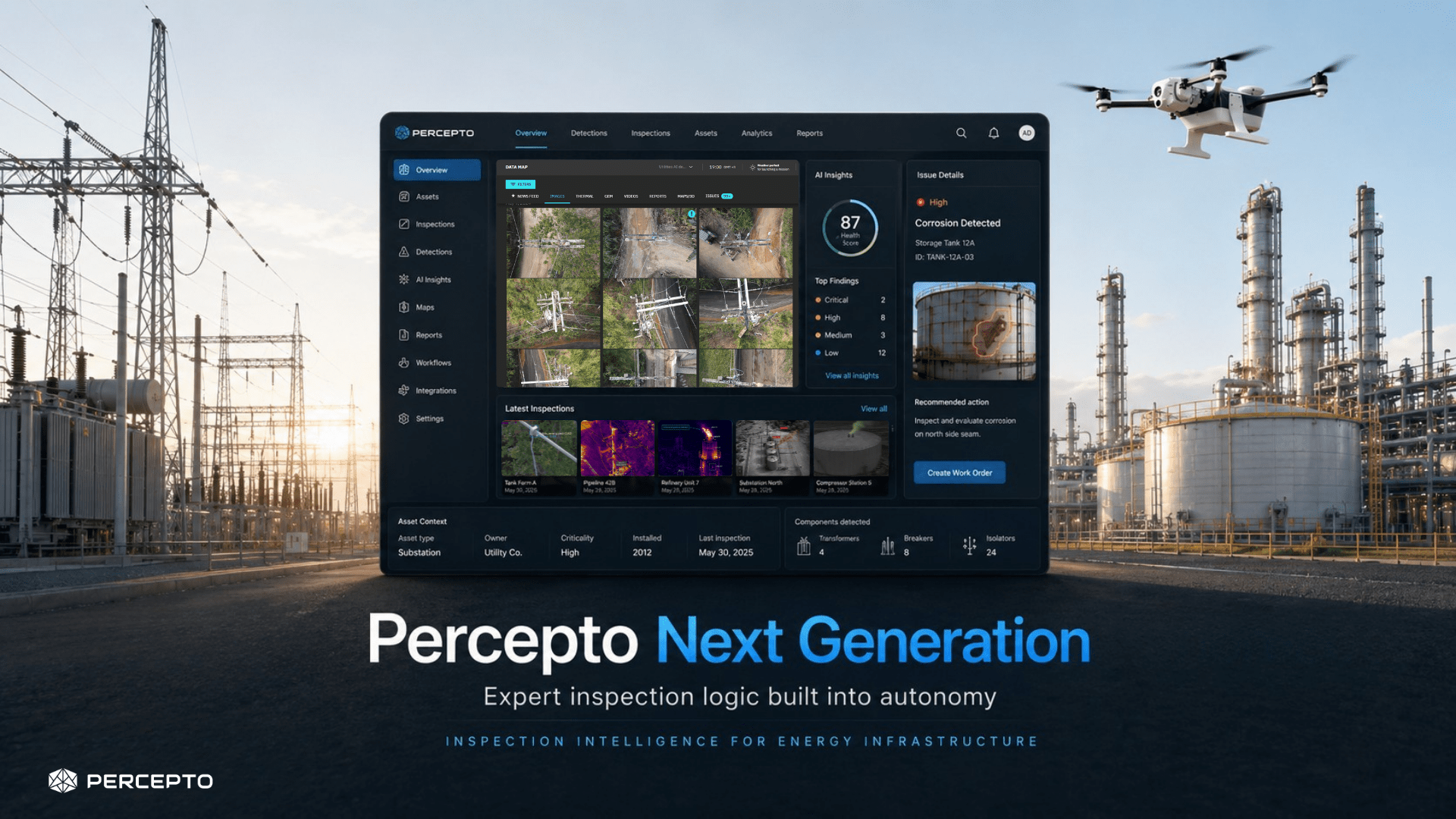
Percepto's AIM software and June 2026 inspection-intelligence announcement place the business case for autonomous drones beyond the aircraft. The company offers a combined workflow of capture, analysis, asset context and remote operation. That packaging reflects a practical constraint: a utility or industrial plant does not benefit merely because a drone completed more flights. The information must arrive where engineers and maintenance teams already make decisions, and it must arrive in a form they can use. Percepto AIM inspection software; Percepto inspection-intelligence launch, June 22, 2026.
Field work can become office work
Automation can make collection easier while creating a larger volume of material to review. This is not necessarily a failure; additional evidence can reveal conditions previously missed. But it changes the labor calculation. The relevant comparison includes mission preparation, exception handling, data validation, engineering review and follow-up work. A flight-hour measure captures only one part of the process. If a new platform requires staff to copy findings manually into another system, some of the apparent collection gain may reappear as administrative effort.
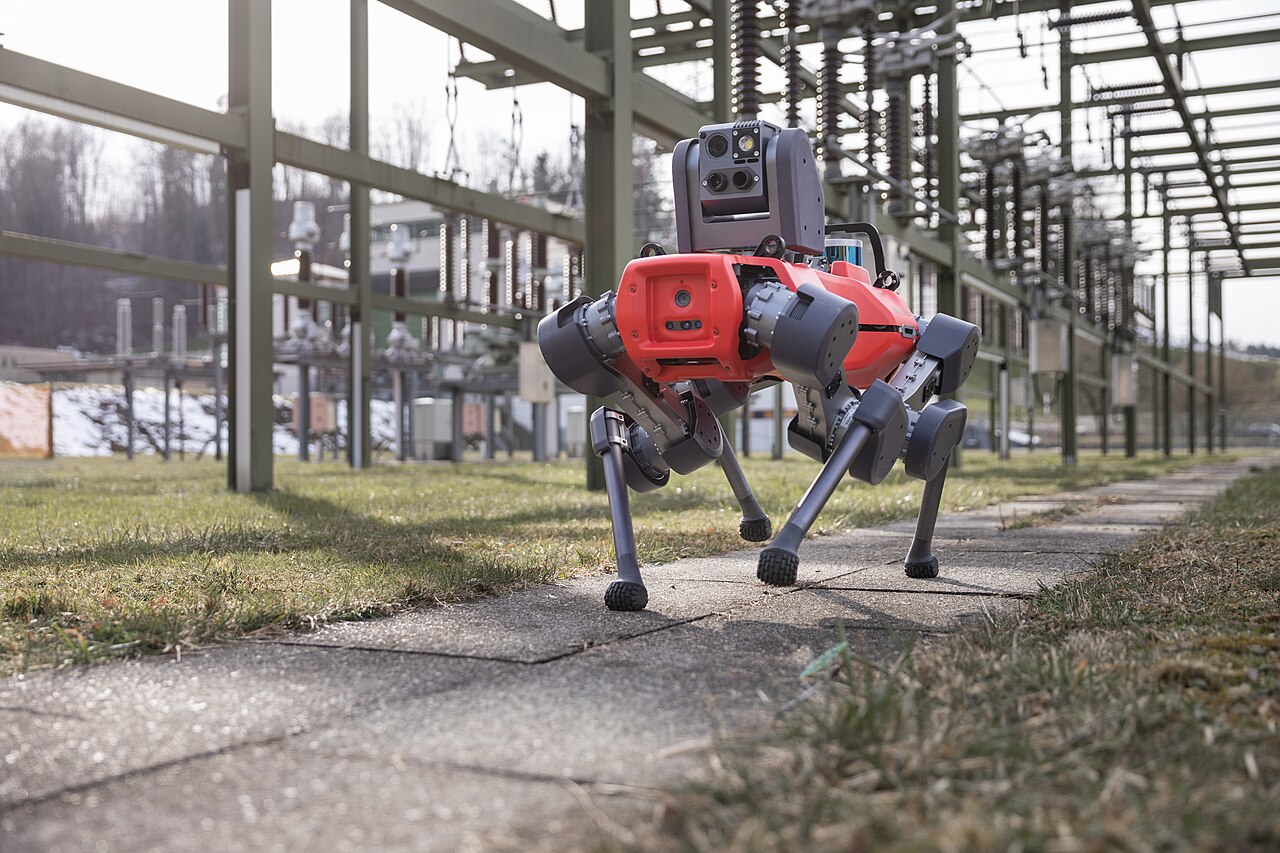
ANYbotics' June 2024 partnership with Energy Robotics provides a parallel signal from ground robots: integration with data platforms was already part of the product strategy before the latest fleet-software announcements. Different suppliers are pursuing different architectures, but both examples show that the receiving workflow is not an optional accessory. It determines whether an observation becomes a maintained asset record or an isolated report. The existence of a partnership establishes work on that connection; it does not guarantee that every customer's software environment is already supported. ANYbotics and Energy Robotics partnership, June 12, 2024.
Asset identity is the expensive detail
Large organizations often have more than one way to identify the same equipment: a label on the structure, a name in the control system and an identifier in maintenance software. A robot's coordinate or image label adds another representation. Connecting them can be tedious, but the connection is what allows a finding to reach the right person with the right history. If the identifiers are reconciled only once, later equipment changes can break the relationship quietly. Integration therefore has an ongoing maintenance cost as well as an initial implementation cost.
The same is true of thresholds and categories. An image-analysis system may describe a visual change while the maintenance system requires a fault category and work priority. Someone has to define how those descriptions relate. Automating the translation can save effort, but it should preserve the original evidence and allow uncertainty to remain visible. A confident-looking work order generated from an ambiguous observation is not a successful integration. It is an ambiguity that has been moved downstream and made harder to see.
The contract should reflect the full service
A useful financial comparison begins with a defined operational task and follows it to completion. Which inspections are covered? Who reviews exceptions? How are repeat visits handled? What happens when the asset registry changes? These questions identify actual work rather than speculative savings. Percepto's integrated offering is significant because it makes those activities part of the commercial discussion. Its performance still needs to be evaluated in the customer's environment. The broader lesson is that integration is not overhead to subtract from the autonomy story. It is one of the mechanisms by which autonomous collection can become a dependable and economically useful service.
An autonomy proposal often begins with the machine and ends with a promised task rate. The missing middle is the work required to make that task useful on a particular site. Mapping, access, training, data connections and exception handling can determine whether the proposed service is practical. NIST's robotics programme develops performance measures and evaluation methods. NIST measurement science for robotics.
Count the surrounding work
A realistic plan should name the people who perform that surrounding work and the conditions under which it recurs. A route that is configured once differs from a route that needs revision after every layout change. Both may be worthwhile, but they imply different operating commitments.
Technical evaluation should consider how the system connects to existing procedures. A new dashboard can add effort if staff must copy findings into the system they already use. A smaller capability that fits the established process may create more usable value than a richer standalone demonstration. NLR describes test beds for studying control architectures before field deployment. NLR autonomous energy system architectures.
Choose a repeatable unit of value
The comparison should use a repeatable unit such as a verified inspection or a completed delivery, including the support work required to achieve it. Hypothetical savings based only on motion time can be misleading because they omit preparation and recovery. Site-specific evidence is needed before turning capability into a financial claim.
The best pilot leaves an understandable operating recipe behind: who does what, which exceptions occur and what resources the service consumes. That recipe makes expansion assessable. It also lets an organization decide that a narrow deployment is successful without pretending the same arrangement will transfer unchanged to every other facility.
The relevant cost can also change over time. Initial commissioning may be expensive while recurring use is efficient, or a cheap initial installation may require continual manual correction. A useful assessment separates those patterns rather than reducing the project to one headline payback estimate based on ideal utilization.
Sources & evidence
This archive preserves its original editorial date. Sources describe the events and announcements discussed; they do not establish today’s status.